Bulgaria’s Most Breathtaking Destinations You Won’t Want to Miss
Bulgaria is the kind of place that sneaks up on you.
You arrive expecting beaches or monasteries and end up discovering medieval towers climbing granite cliffs, yoga-inspired cafés tucked in canyon villages, and cobbled streets framed by red-tiled rooftops.
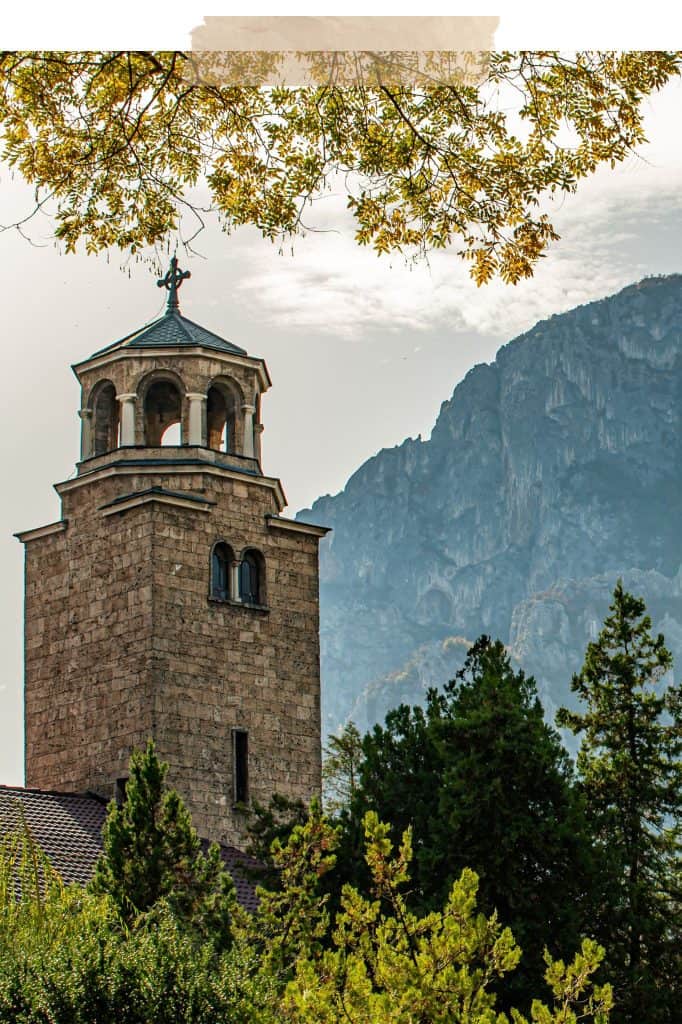
Every region has its mood. You’ll find splashes of Ottoman elegance, Baroque grandeur, Black Sea charm, and alpine calm.
But the real magic lies in the small stuff, like a centuries‑old fountain in a village square, or the red glow of a lone church at sunset in the Rhodope Mountains.
Here’s a region‑by‑region exploration of Bulgaria’s most beautiful places, from grand cities and historical centres to hidden lanes, mountain trails and seaside calm.
Sofia & Western Bulgaria
Table of Contents
Sofia: the capital that hides its treasures in plain sight
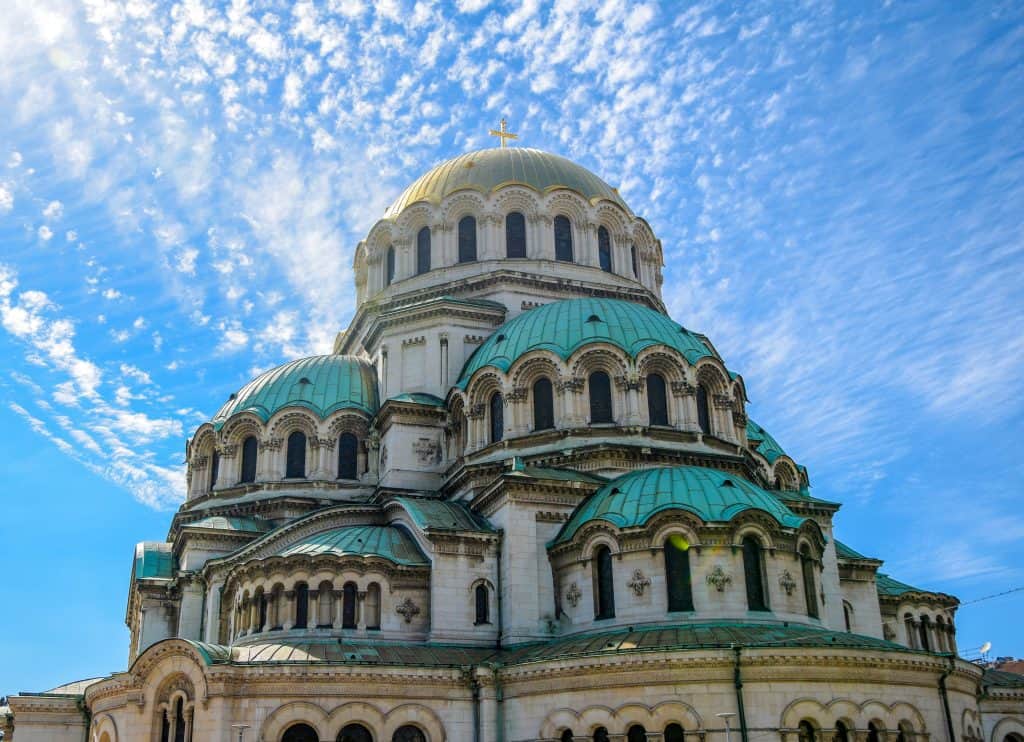
You’ve got to give Sofia a chance. Too many people fly in, skip it, and miss out completely.
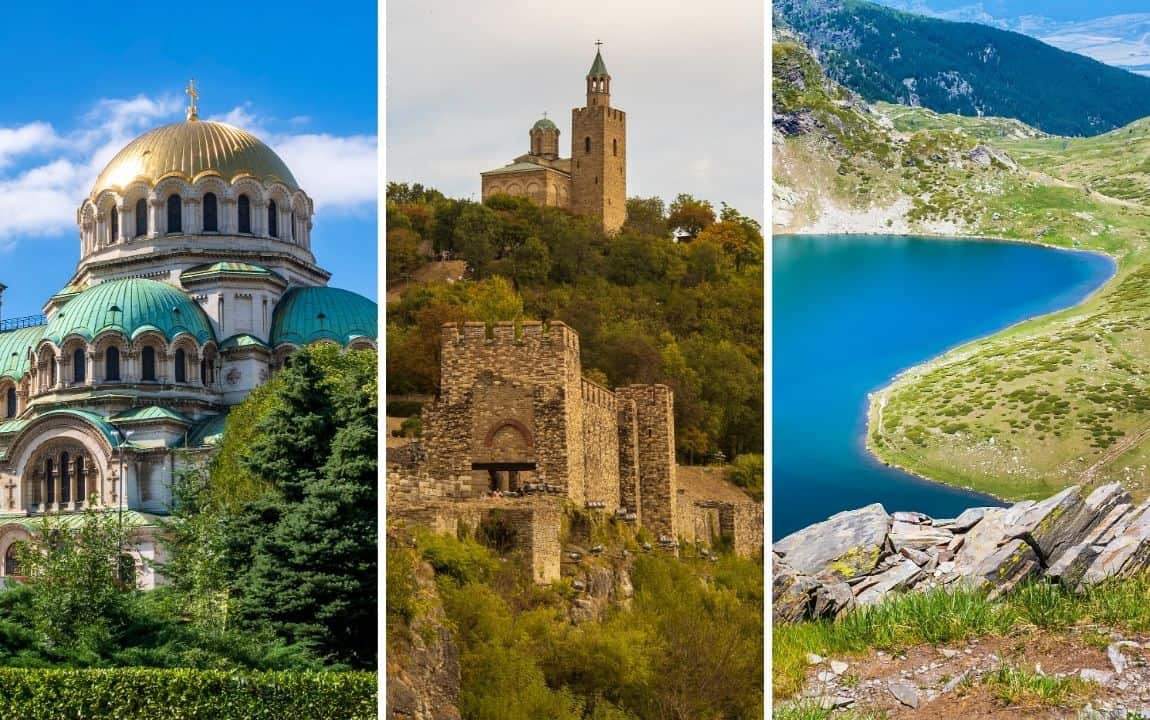
Sofia’s charm is layered. Some of it is bold and shiny, like the golden domes of Alexander Nevsky Cathedral. But some of it’s subtle, like Roman ruins you can walk over in the middle of the city, or a faded blue art nouveau doorway down a side street.
The best way to soak it in is to walk.
Start with Vitosha Boulevard, where you’ll have views of the mountain while strolling past bakeries and boutiques. Then take a detour into the side streets. You’ll find crumbling beauty, restored façades, and little cafés tucked into the base of 19th-century buildings.
Don’t miss:
- The Ivan Vazov National Theatre
Elegant, dramatic, and framed by fountains. - The Rotunda of St George
A 4th-century church surrounded by Soviet concrete. The contrast is striking. - Alexander Nevsky Market
For brass icons, Soviet coins and lace tablecloths you didn’t know you needed.
One final gem? Boyana Church, just outside the centre. It’s tiny, but the frescoes inside are some of the oldest and most expressive in Europe.
Vitosha Mountain
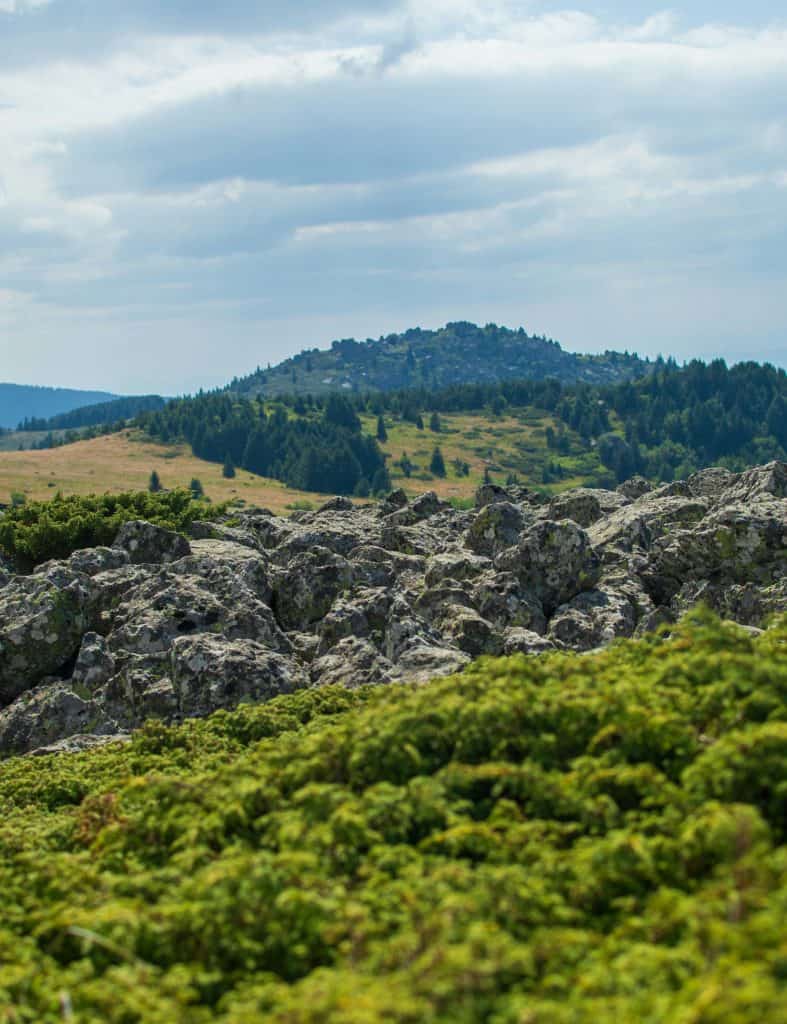
Right behind the city, you’ve got Vitosha Mountain.
Locals hike it year-round. In winter it’s all about skiing and snow-covered pines. In summer, you get meadows full of wildflowers and views over the whole capital.
The Golden Bridges area is especially lovely, with natural stone rivers with forests growing all around. Pack a sandwich and do nothing up there for a while.
Rila Monastery & The Seven Rila Lakes
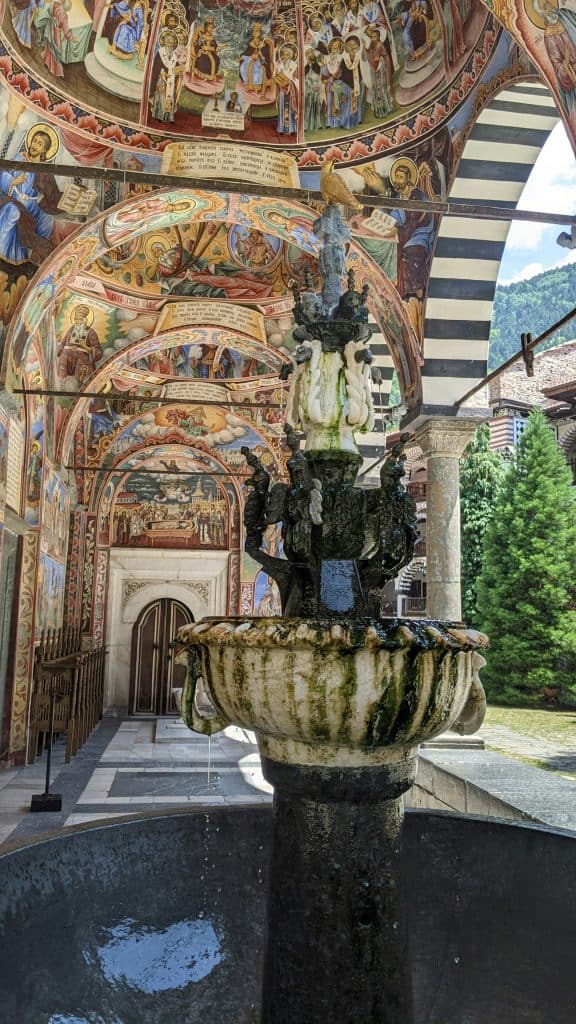
You’ve seen the postcard. But it’s even better in person.
Rila Monastery is Bulgaria’s most famous, and with good reason. It’s enormous, ornate and beautifully located in a pine-covered valley. Striped arches, swirling frescoes, and thick wooden balconies circle the courtyard like something out of a fairytale.
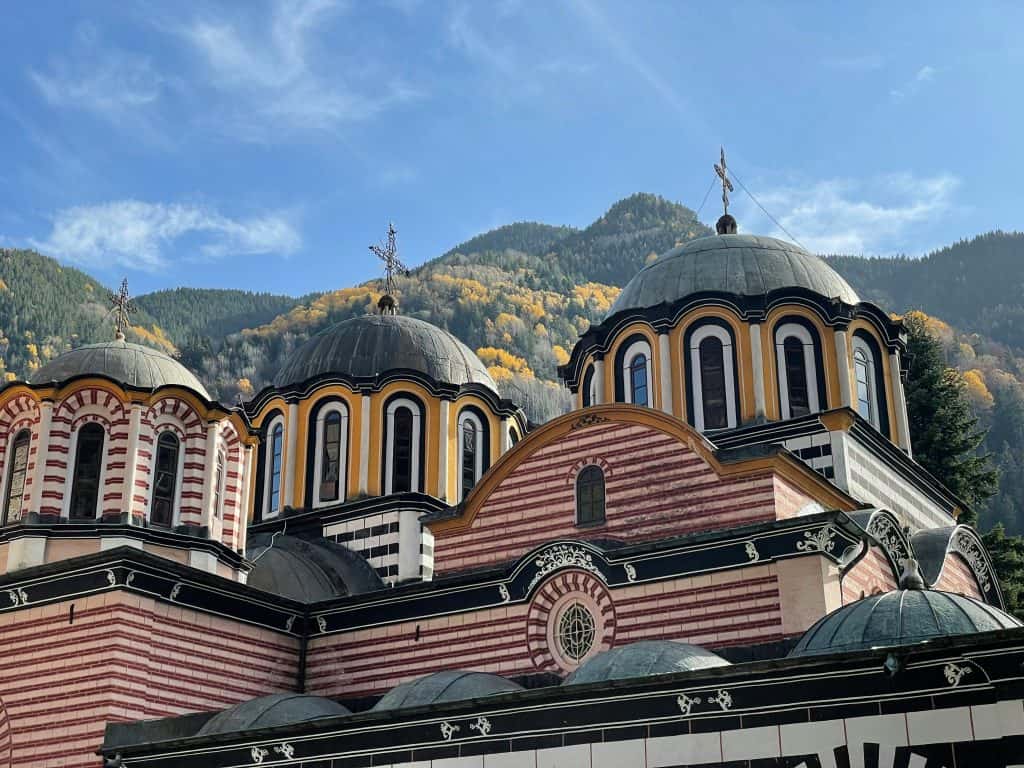
Stay overnight in the monastery’s guesthouse if you can. You’ll wake up to morning bells echoing off the cliffs.
Nearby are the Seven Rila Lakes. Each one has its own shape and charm. There’s a chairlift that helps with the uphill walk, but even if you’re not much of a hiker, the landscape is worth the climb.
Central Bulgaria
Plovdiv: where layers of history turn into art
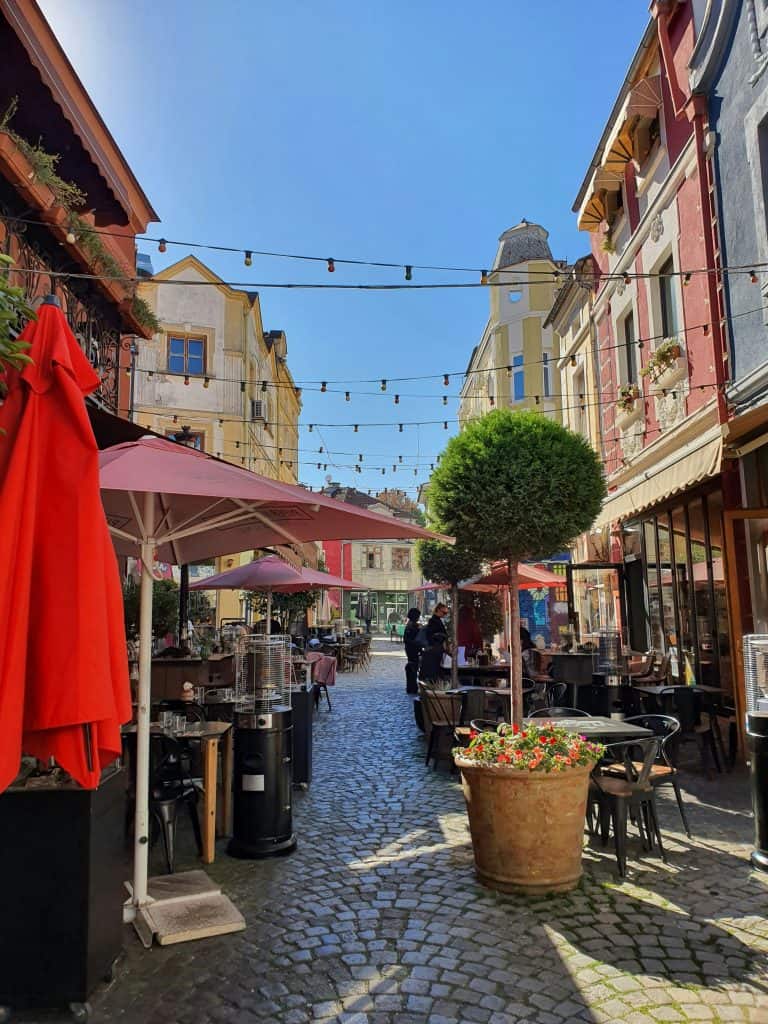
Plovdiv is one of Europe’s oldest cities, and somehow also one of its trendiest.
The Old Town is gorgeous. You’ll find cobbled streets, Ottoman mansions, and painted façades with overhanging windows. You can spend hours getting lost between antique shops, tiny museums and leafy courtyards.
The Roman theatre, still used for concerts, is just… there. No ticket needed to peek in. It overlooks the city like it’s been watching for millennia.
Now contrast that with Kapana, the creative district. Street art, design studios, handmade jewellery, microbreweries and indie coffee shops fill every alley. It’s artsy without being try-hard.
Hidden gems:
- Hindliyan House
Pastel frescoes and a working 19th-century bathroom. - Dzhumaya Mosque
One of the oldest in Europe, quietly blending in. - Nebet Tepe
Climb the ruins for panoramic views at golden hour.
Koprivshtitsa: a living museum in the hills
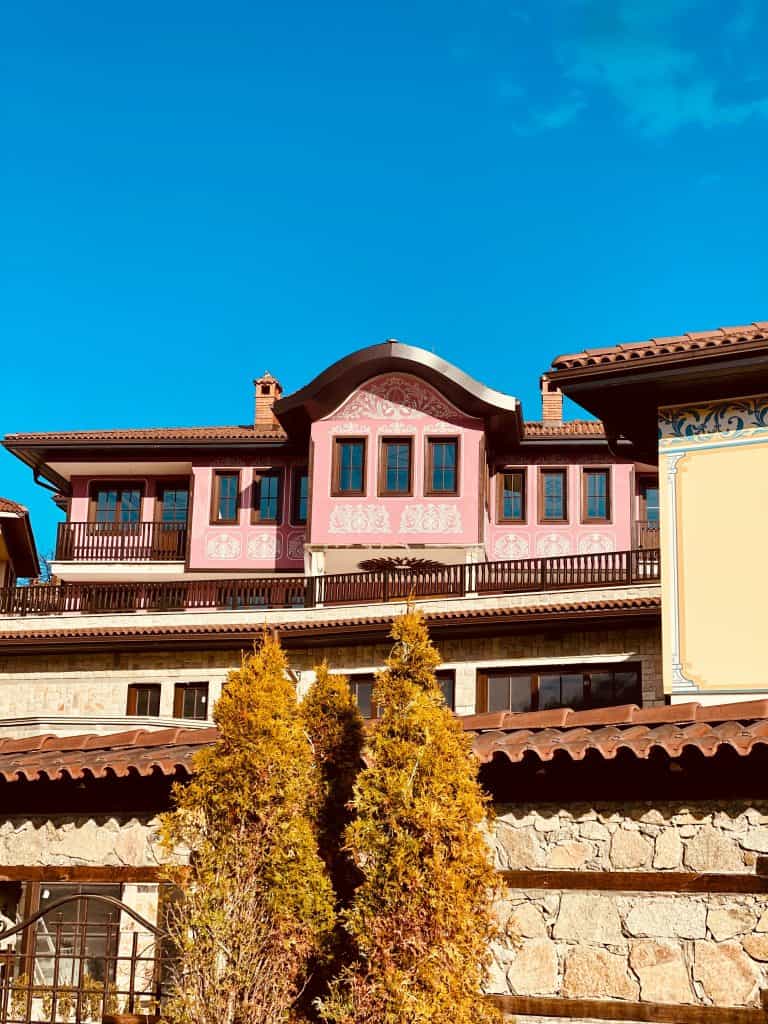
This place is like stepping into a painting.
Tucked in the Sredna Gora mountains, Koprivshtitsa is a colourful town frozen in time. Bright houses with wooden trim, stone bridges over narrow streams, and quiet streets that seem unchanged since the 1800s.
It’s also full of revolutionary history, but even if you’re not into politics, the aesthetic alone is worth the trip.
Walk slowly. Pop into the museums housed in former homes. Stop for coffee in a shady courtyard with a stray cat under your table.
Veliko Tarnovo & Northern Bulgaria
Veliko Tarnovo: where the past is wrapped in drama
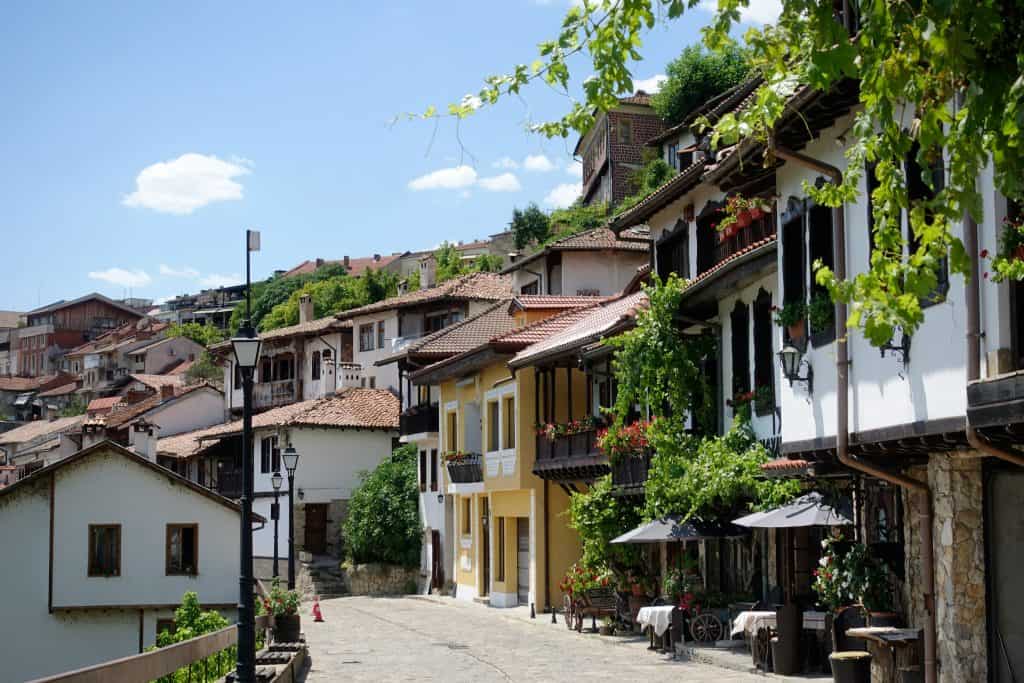
This city knows how to make an entrance.
Set on cliffs above the Yantra River, Veliko Tarnovo was once the capital of the Bulgarian Empire. It’s dramatic from every angle – stone walls, terraced homes, and towers poking out of green hills.
The star is Tsarevets Fortress. By day, you’ll walk the ramparts. By night, the whole thing lights up in a theatrical sound and light show that’s either cheesy or brilliant, depending on your mood.
Other lovely bits:
- Samovodska Charshiya – a crafts street that’s both touristy and charming.
- Trapezitsa Hill – a bit quieter than Tsarevets, with grassy slopes and ruined churches.
- The Asenevtsi Monument – fierce on a hilltop, with sweeping views.
It’s also a great base for exploring the nearby villages and monasteries of the Balkan Mountains.
The Rhodope Mountains
Shiroka Laka: the prettiest village you’ve never heard of
Imagine this:
Stone houses stacked up a hill. Balconies of carved wood. A stream running through the centre. Mountains rising behind in every direction.
That’s Shiroka Laka.
It’s famous for folk music, but even if you don’t catch a festival, the beauty of this place is in the details – flowerpots, laundry lines, little stone arches.
If you’re lucky, you’ll find a local taverna with live bagpipe music and smoky bean soup that warms your bones.
Yagodina & the Devil’s Throat
These caves are otherworldly.
Yagodina Cave is long, lit softly, and full of delicate formations that feel like sculpture.
The Devil’s Throat Cave, nearby, is the opposite – a thunderous waterfall crashing into a black abyss. According to legend, this is the entrance to the underworld. Standing inside it, you’ll see why.
Outside the caves, the Buynovo Gorge winds like a canyon through pine forest. In autumn, it glows in copper and gold.
Black Sea Coast
Sozopol: old soul by the sea
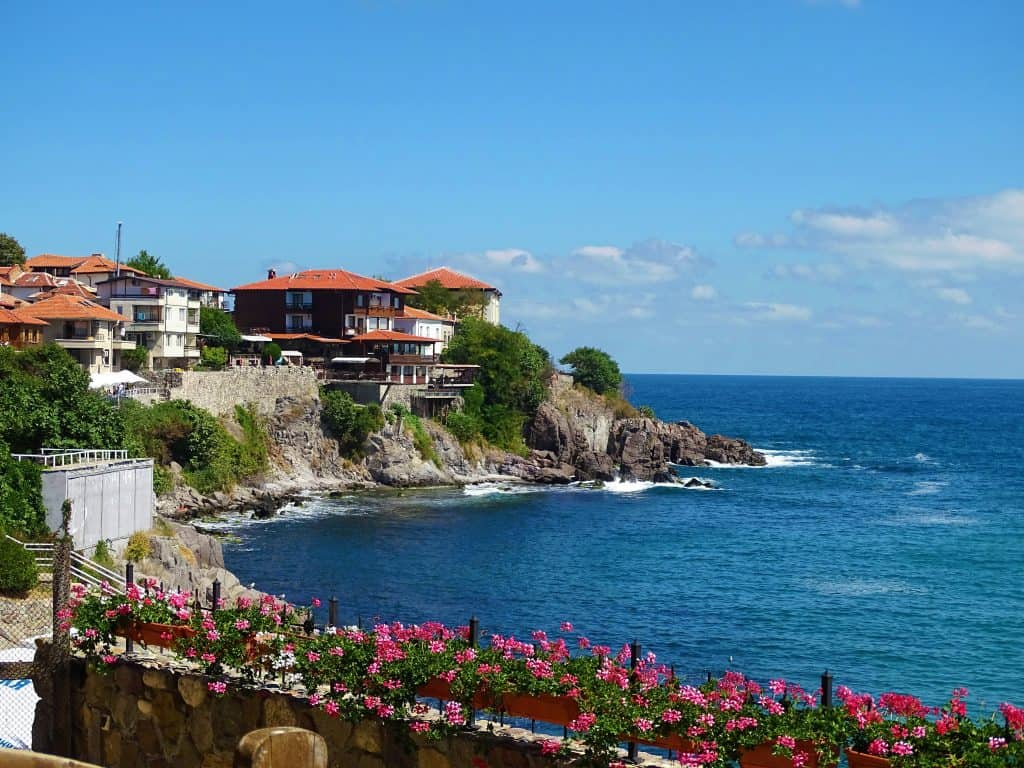
Sozopol is what the big resorts try to copy, but never quite pull off.
The Old Town is built on a rocky peninsula. Wooden houses teeter above stone walls. Narrow lanes lead you to sea views framed by church spires and fig trees.
There’s an elegance to it, especially in early morning or late evening, when the light hits just right.
Nearby, Kavatsite Beach has clean sands and gentle waves – a lovely break from sightseeing.
Nessebar: cobblestones, sea breeze, and serious history
Another UNESCO site, Nessebar is small but packed with beauty.
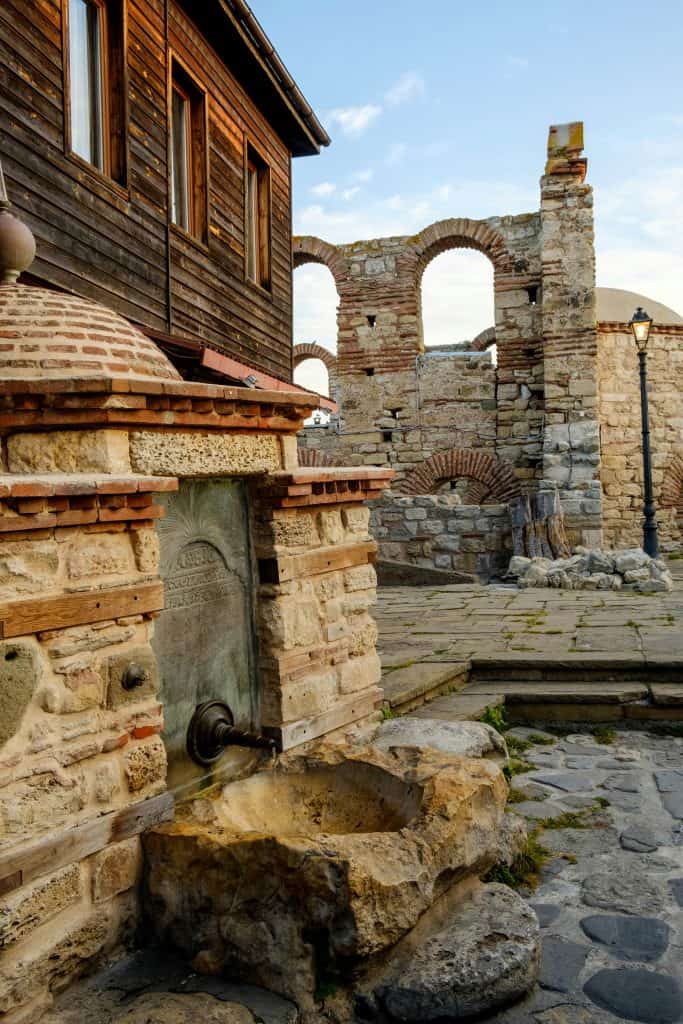
Ancient churches, tiny courtyards, tiled roofs and cafés clinging to the cliffs. It’s easy to see why this was once a major port for the Thracians, Greeks, Romans and Byzantines.
It gets busy in summer, but still manages to feel magical.
Tip: walk out past the windmill at sunset. It’s a quiet moment you won’t forget.
Varna: seafront elegance
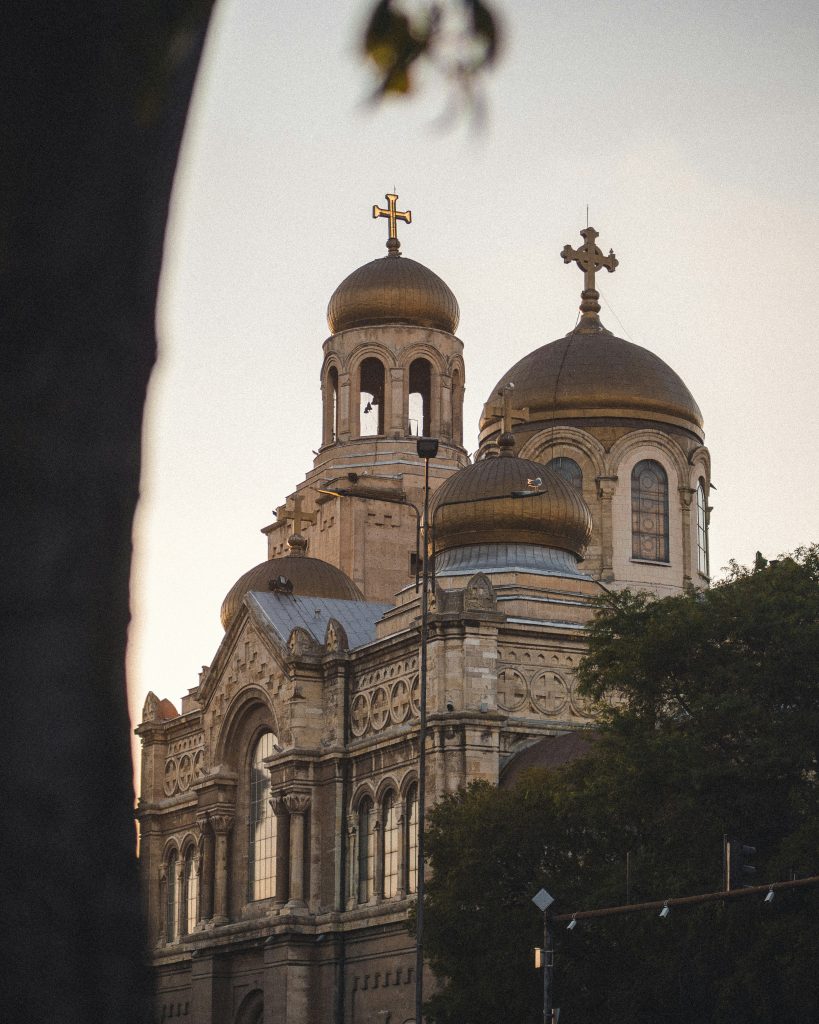
Varna blends Black Sea glamour with laid-back culture.
The Sea Garden is its heart, a long park filled with sculptures, fountains and views of the coast. Perfect for long strolls or lazy people-watching.
Varna also has some lovely buildings, including the Opera House, the pastel-coloured Cathedral of the Assumption, and grand old houses along leafy boulevards.
South & Southwest Bulgaria
Bansko: not just for skiing
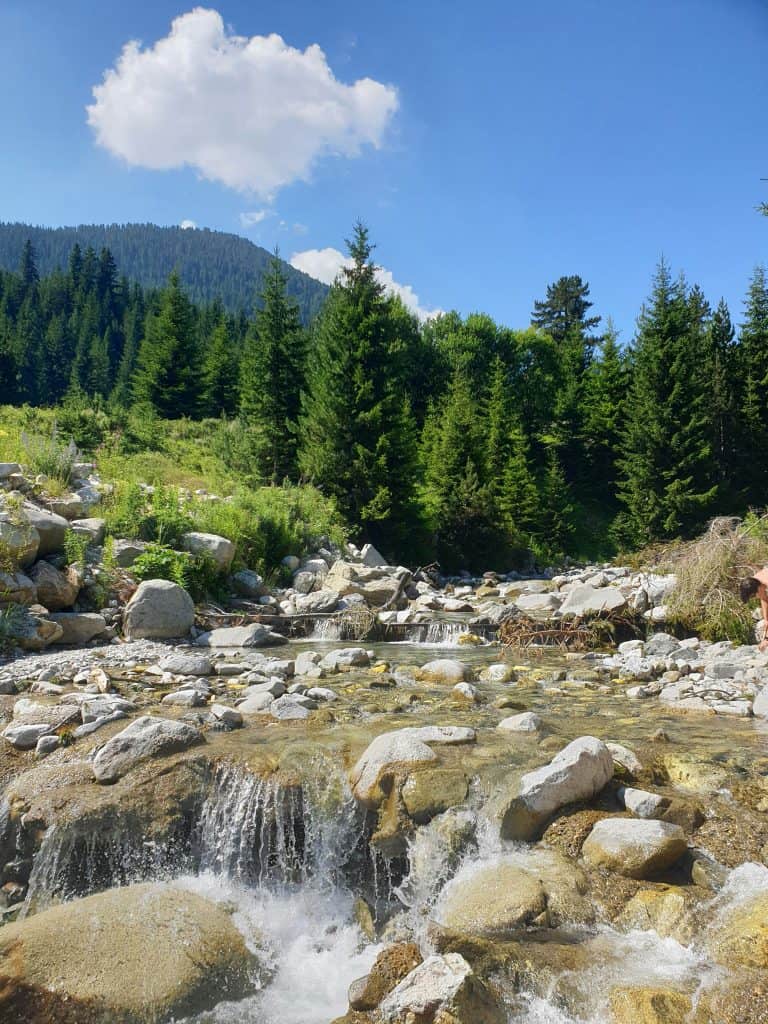
In the shadow of the Pirin Mountains, Bansko is a mix of alpine views and cobbled charm.
The old town has narrow streets, thick stone walls, and hearty restaurants with open fires and live folk music.
In summer, wildflowers bloom across the meadows. In winter, snow dusts the rooftops and everything feels like a postcard.
Melnik: the tiniest city with the biggest wines
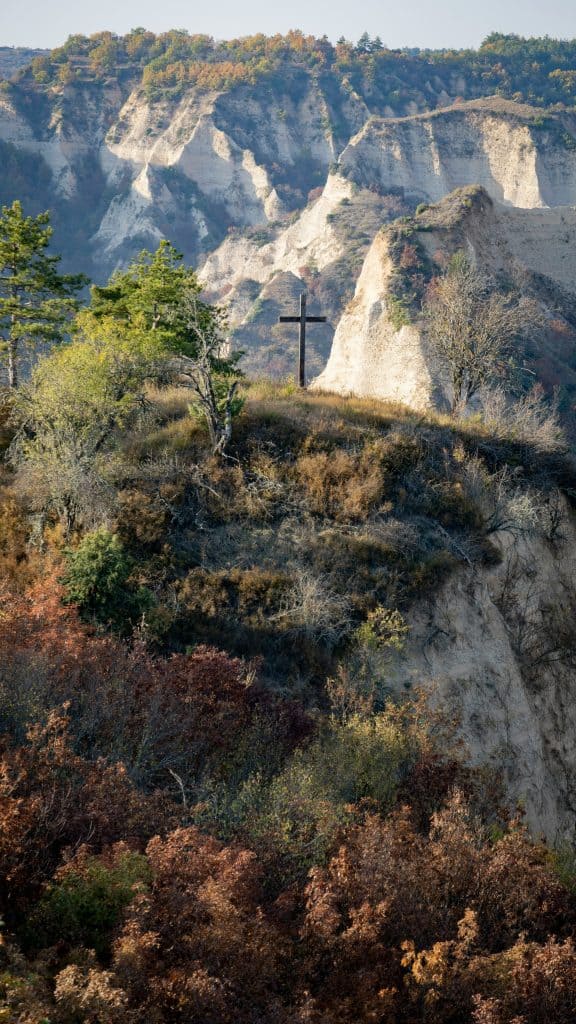
Melnik is officially a city, though it’s more like a village. But it’s stunning.
Pyramid-like sandstone cliffs rise around it. Stone and timber houses sit snug against the slopes. And vines grow absolutely everywhere.
Try a glass of Melnik wine (full-bodied and smoky) in a cellar that’s been used for centuries.
Don’t skip the Kordopulov House, a 250-year-old mansion with stained glass, tunnels, and views over the whole valley.
Bulgaria Awaits Your Arrival!
Bulgaria doesn’t need to shout to be beautiful.
It’s in the curve of a stone bridge. The way a mountain glows in the late afternoon. The creak of a wooden floor in an old Revival house. The salty breeze on a quiet beach.
The cities are rich with history. The villages are full of soul. And if you give it time, Bulgaria will give you something unforgettable.